News
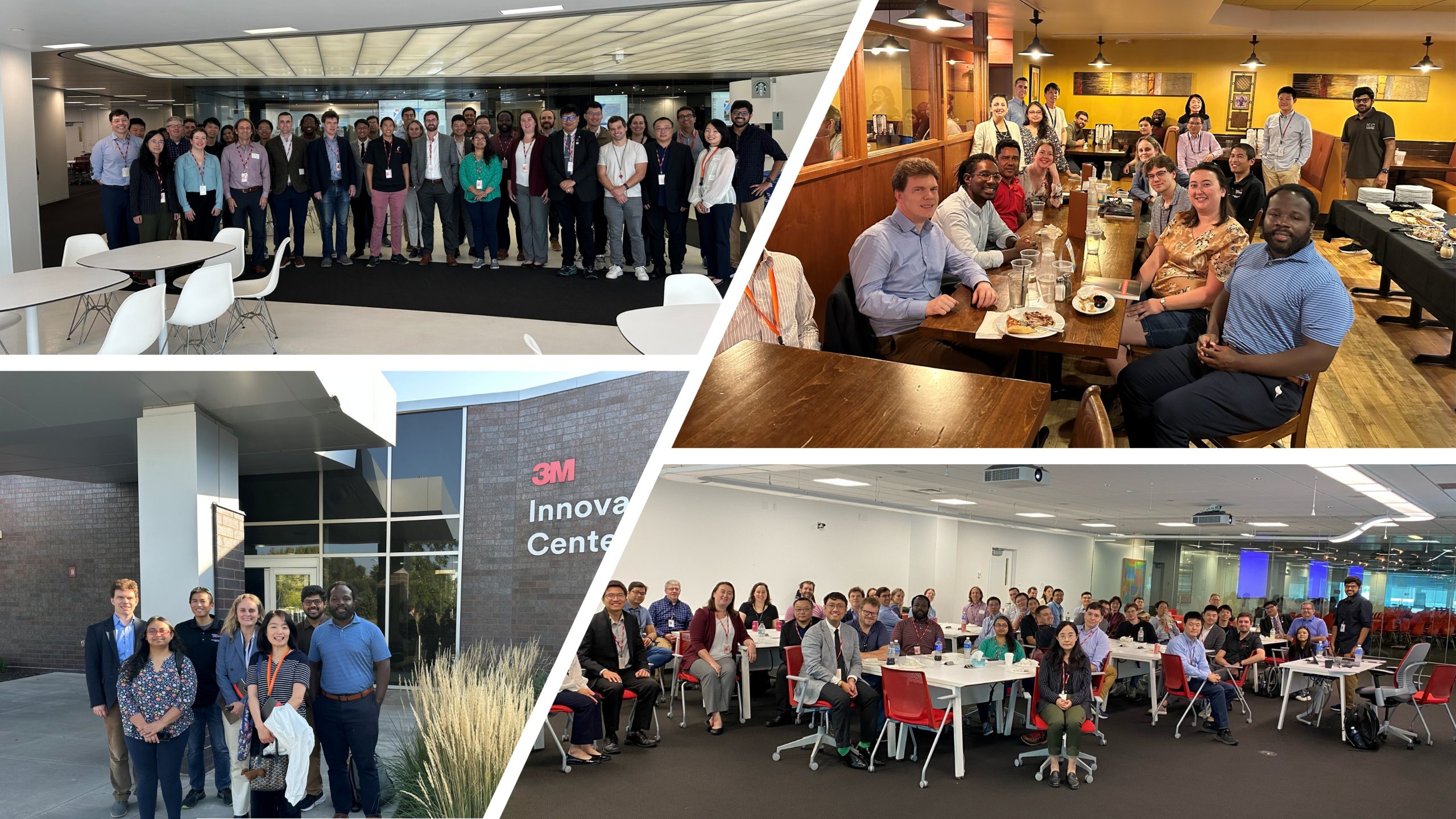
On October 3, 2025, we had the privilege of attending the 2025 3M Non-Tenure Faculty Award (NTFA) Symposium. It featured 28 outstanding early-career faculty from 25 universities, each presenting their cutting-edge research. It was a wonderful opportunity to connect with exceptional scholars across a broad range of scientific fields and to learn from their innovative work. We look forward to this event continuing to strengthen the partnership between 3M and the academic community, and to fostering long-lasting relationships with the emerging leaders of research.
💧 In his October 1 seminar for our Third Coast Water Seminar Series, Dr. Ying Li, Associate Professor at University of Wisconsin–Madison discussed how machine learning technology can inform and propel membrane design forward.
He noted that:
🔹 Machine Learning models can be trained through many simulations
🔹 Simulations can predict the performance of new membranes before fabrication
🔹 Computational design allow us to tailor membranes for specific water needs
His message was clear: integrating simulation and AI into our toolkit can redefine how we design, test, and optimize technology for a safe and secure water supply. 🌍
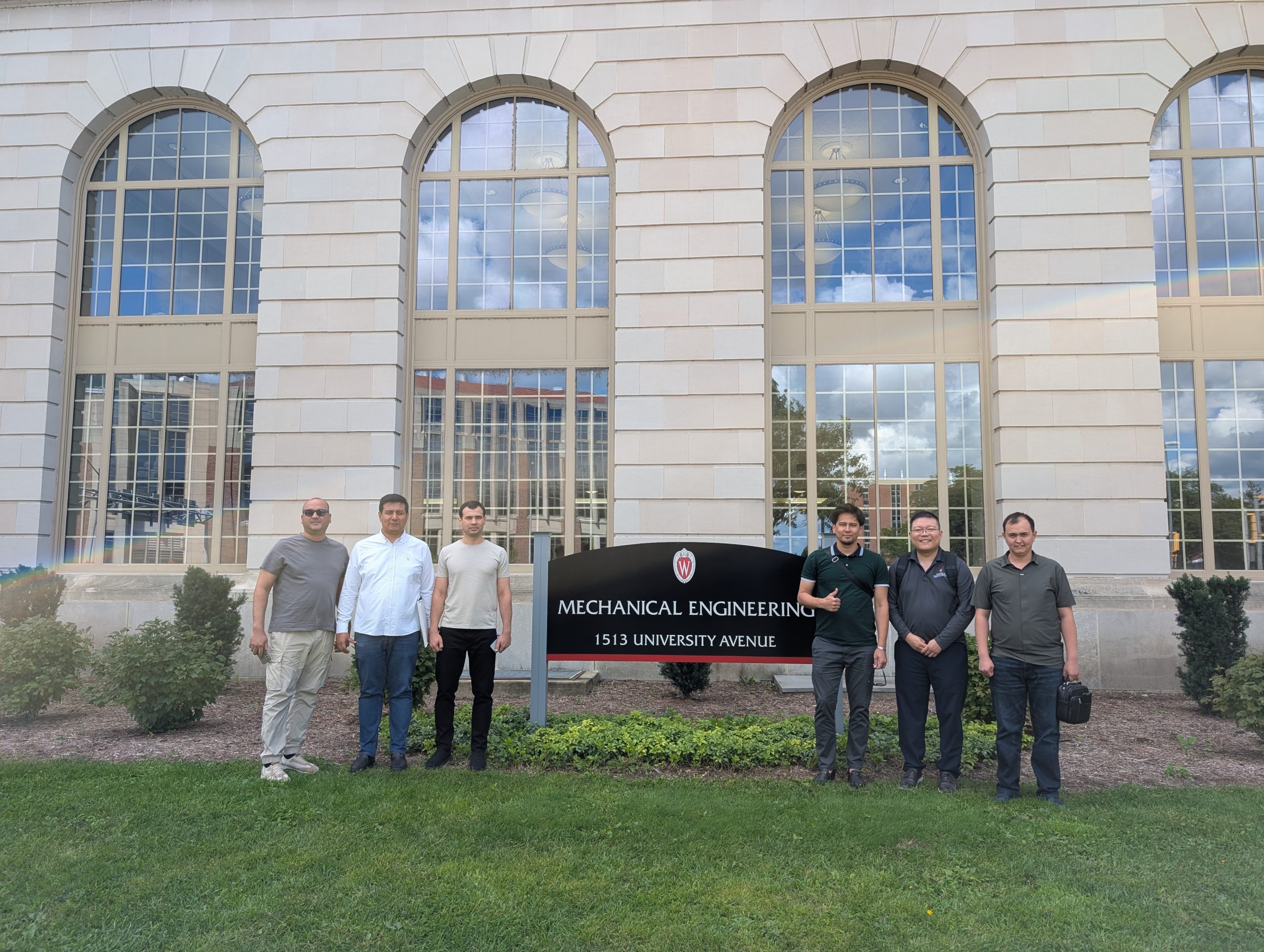
From August 25–26, we welcomed a delegation of five community leaders from Turkmenistan as part of the International Visitor Leadership Program (IVLP), facilitated through the International Institute of Wisconsin and the U.S. Department of State. During their visit to Madison, they met with our team to explore how to make desalination more efficient within the broader themes of water‐conservation policy and resilient agriculture. Many thanks to everyone who helped make this meaningful exchange possible, and to Prof. Ying Li for engaging in the discussion and advancing this important topic.
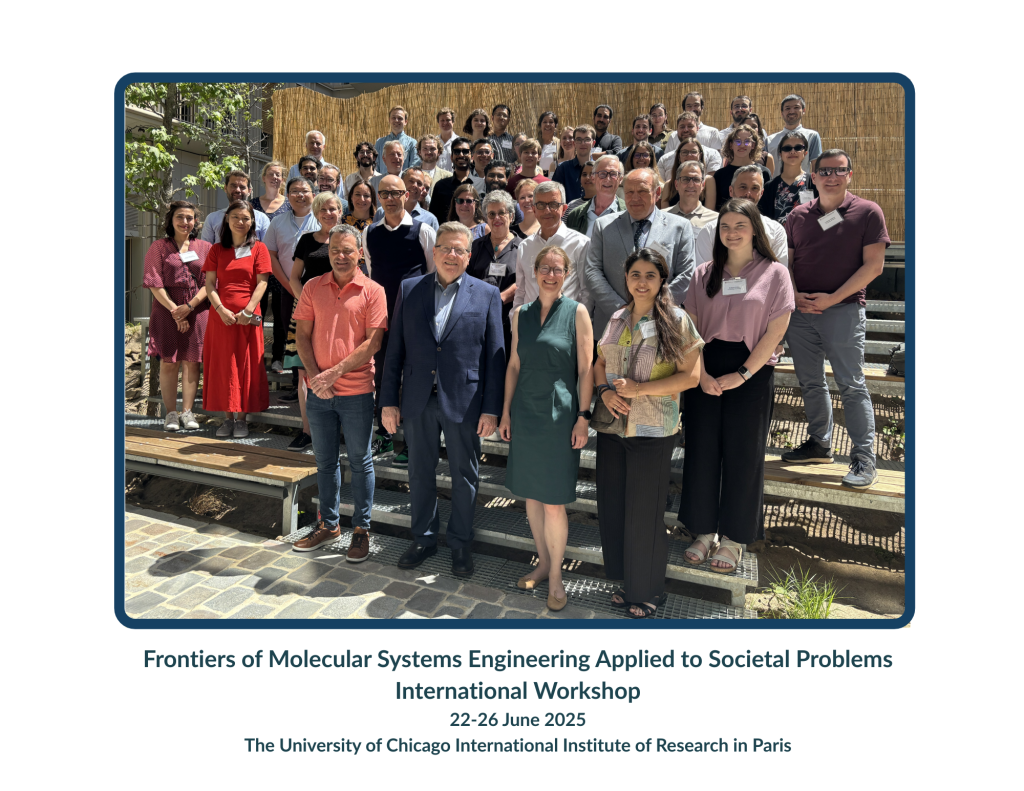
Dr. Ying Li recently participated in the international workshop Frontiers of Molecular Systems Engineering Applied to Societal Problems, held 22-26 June 2025 at the International Institute for Research in Paris (a venue of the University of Chicago) in Paris. This four-day workshop brought together a global cohort of scientists and engineers working at the molecular-systems interface of real-world challenges. The program was structured around eight thematic sessions, covering topics such as global health equity, immunoengineering, phase separation in biology, matter-to-life transitions, food sustainability, water security, energy transition, and molecular engineering design/manufacturing.
Dr. Ying Li participated in the international symposium titled “Interdisciplinary Perspectives on Transport Mechanisms in Membranes and Nanopores” on 17–18 March 2025, hosted by the Rice Global Paris Center at the Rice WaTER Institute (held in Paris). The event convened leading experts in membrane science, nanofluidics, and transport phenomena — covering topics from ion & solvent transport in charged porous membranes, mainstream models for reverse-osmosis/nanofiltration, nanoconfined solvent behaviour, to two-dimensional angstrom-scale channels and molecular interactions at carbon nanotubes. Dr. Li’s participation underscores our lab’s engagement at the interface of multiscale transport modelling, polymer membrane design, and nanoscale separation mechanisms, and will help inform our ongoing simulation work on membrane-mediated transport, polymer informatics, and machine-learning-driven materials design.
[07/15/2024] We welcome Dr. Hengyu Xu from the University of Science and Technology of China to join our group as a Postdoc Research Associate. Welcome to Madison!
[06/28/2024] Congratulate Tianle on his new book (primer), titled “Machine Learning for Polymer Informatics”, being published today. This is a significant milestone for Tianle regarding his research in polymer informatics.
[06/14/2024] “Researchers distill the facts of a chemical separation process (and upend a decades-old theory)” Since it was developed a few decades ago, the chemical separation process of organic solvent nanofiltration (OSN), has drawn attention for its potential to revolutionize vital industries, including those in fuel, food, and pharmaceuticals. A team of researchers from the University of Wisconsin–Madison and Yale has upended the prevailing wisdom on how this rapidly emerging technology works—an insight that could significantly improve the technology. The results of their work are published in the June 14, 2024, issue of Science Advances. Congratulations to Drs. Hanqing Fan and Jinlong He, and all the co-authors!
[04/11/2024] “Nothing is everything: How hidden emptiness can define the usefulness of filtration materials“ Researchers from the University of Wisconsin–Madison and the University of Illinois Urbana-Champaign unveiled nanoscale voids in filtration materials using high-powered microscopy, computer simulations, and mathematical theory. This breakthrough is expected to enhance the performance of materials used in filtration, such as water treatment and desalination, across various industries. The study, led by Prof. Qian Chen and Prof. Ying Li, integrated materials science and graph theory to map these voids, revealing their significant impact on filtration properties. By employing computer simulations, the team elucidated the manufacturing process of filter membranes, uncovering unique structural features that dictate membrane performance. Congratulations to Dr. Jinlong He, and all the co-authors!
[03/05/2024] PI Ying Li delivered the opening plenary lecture, titled “Machine Learning-Accelerated Molecular Design of Innovative Polymers: Shifting from Thomas Edison to Iron Man“, during the Society of Plastics Engineers (SPE)’s Annual Technical Meeting (ANTEC) (March 5) at St. Louis, Missouri. ANTEC® 2024, SPE’s Annual Technical Conference, will showcase the latest advances in industrial, laboratory, academic, and international work focused on plastics and polymer science. The conference is expected to attract between 600 and 1000 attendees from both academia and industry, providing a rich platform for knowledge exchange and networking.
[03/04/2024] PI Ying Li delivered an invited keynote lecture at the APS March meeting, titled “Machine Learning-accelerated Molecular Design of Innovative Polymers: Advanced manufacturing, extreme conditions, and sustainable energy solutions“, Time: 9:24 AM–10:00 AM, Monday, March 4, 2024. Location: Room: 101G, Minneapolis Convention Center.
[02/14/2024] ICYMI: UW–Madison ranks 39th in the 2023 Times Higher Education World Reputation Rankings. The rankings are based on an invitation-only survey of scholars worldwide who name universities they believe to be the best in teaching and research.
[02/12/2024] ICYMI: Chancellor Jennifer Mnookin announced the RISE (Research, Innovation & Scholarly Excellence) Initiative at last week’s Regent meeting. The program will hire 120-150 new faculty members over the next 3-5 years. The first group will focus on AI.
[01/15/2024] We welcome Jianxin He from the National Center for Nanoscience and Technology, Chinese Academy of Sciences to join our group as a PhD student.
[01/08/2024] We welcome Dr. Kee Myoung (Chris) Nam from Yale University to join our group as a visiting scholar for our collaborative NSF project on modeling biofilm mechanics with Dr. Jing Yan at Yale University.
[12/14/2023] PI Ying Li is among the top scientists worldwide selected by Stanford University representing the top 2% of the most-cited scientists with single-year impact in various disciplines. The selection is based on the top 100,000 by c-score (with and without self-citations) or a percentile rank of 2% or above.
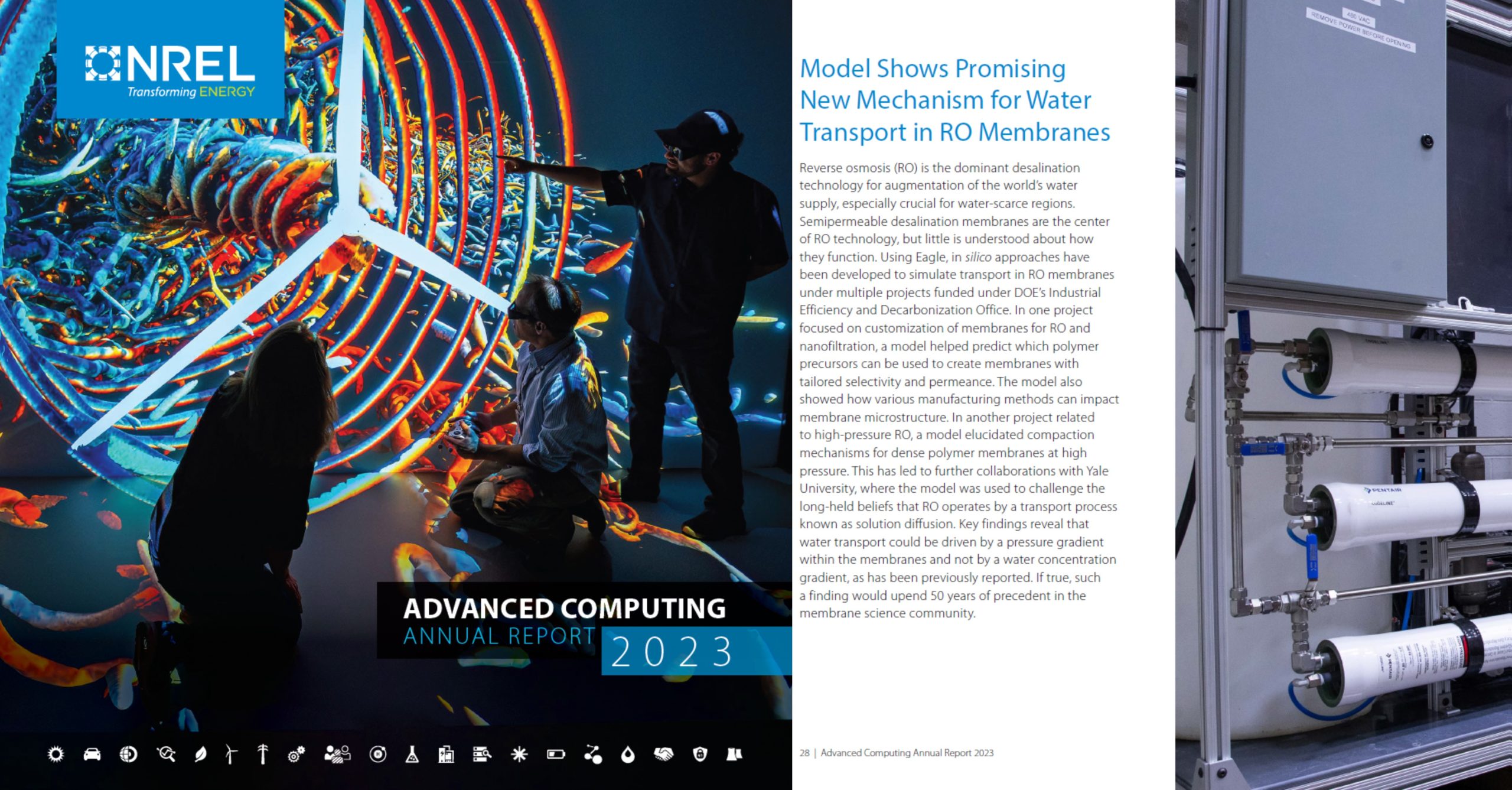
July 24, 2023
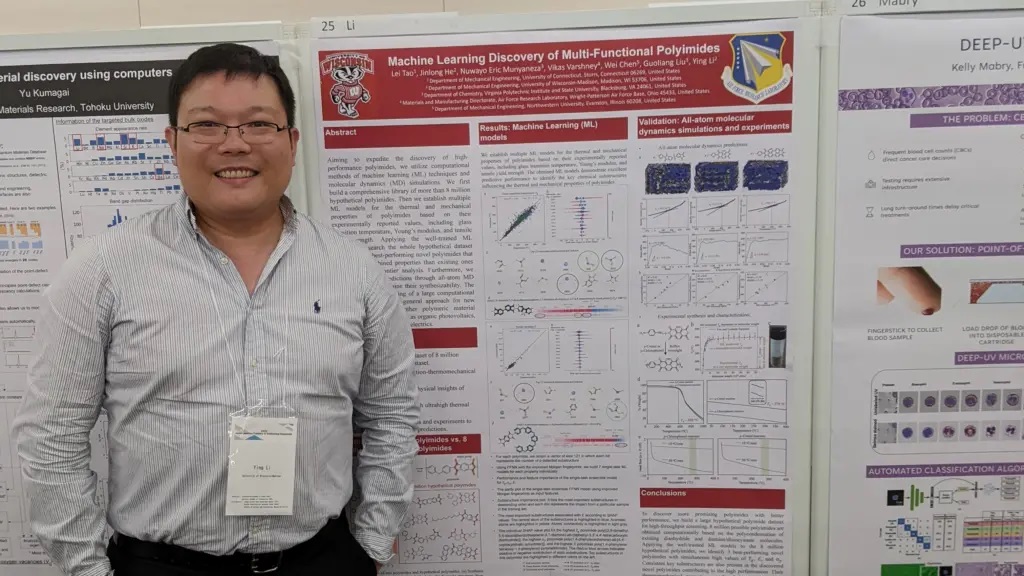
NAE 2023 Japan-America Frontiers of Engineering symposium
Mechanical Engineering Associate Professor Ying Li was one of sixty of the most promising early career engineers from Japan and the United States invited to the National Academy of Engineering 2023 Japan-America Frontiers of Engineering symposium in Tokyo, Japan in July 2023. Read more…
June 14, 2023
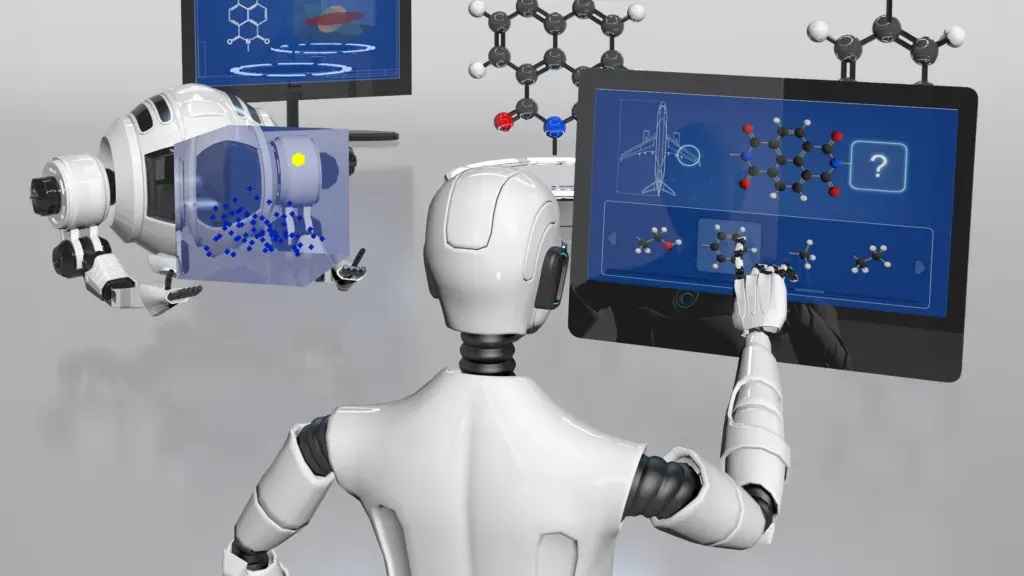
With transparent machine learning tool, engineers accelerate polymer discovery
Using the power of prediction, University of Wisconsin–Madison mechanical engineers have quickly discovered several promising high-performance polymers out of a field of 8 million candidates. The aerospace, automobile and electronics industries use these polymers, known as polyimides, for a wide variety of applications because they have excellent mechanical and thermal properties—including strength, stiffness and heat resistance. Read more…
April 19, 2023
Informed by mechanics and computation, flexible bioelectronics can better conform to a curvy body
Today, foldable phones are ubiquitous. Now, using models that predict how well a flexible electronic device will conform to spherical surfaces, University of Wisconsin–Madison and University of Texas at Austin engineers could usher in a new era in which these bendy devices can integrate seamlessly with parts of the human body. Read more…
September 6, 2022
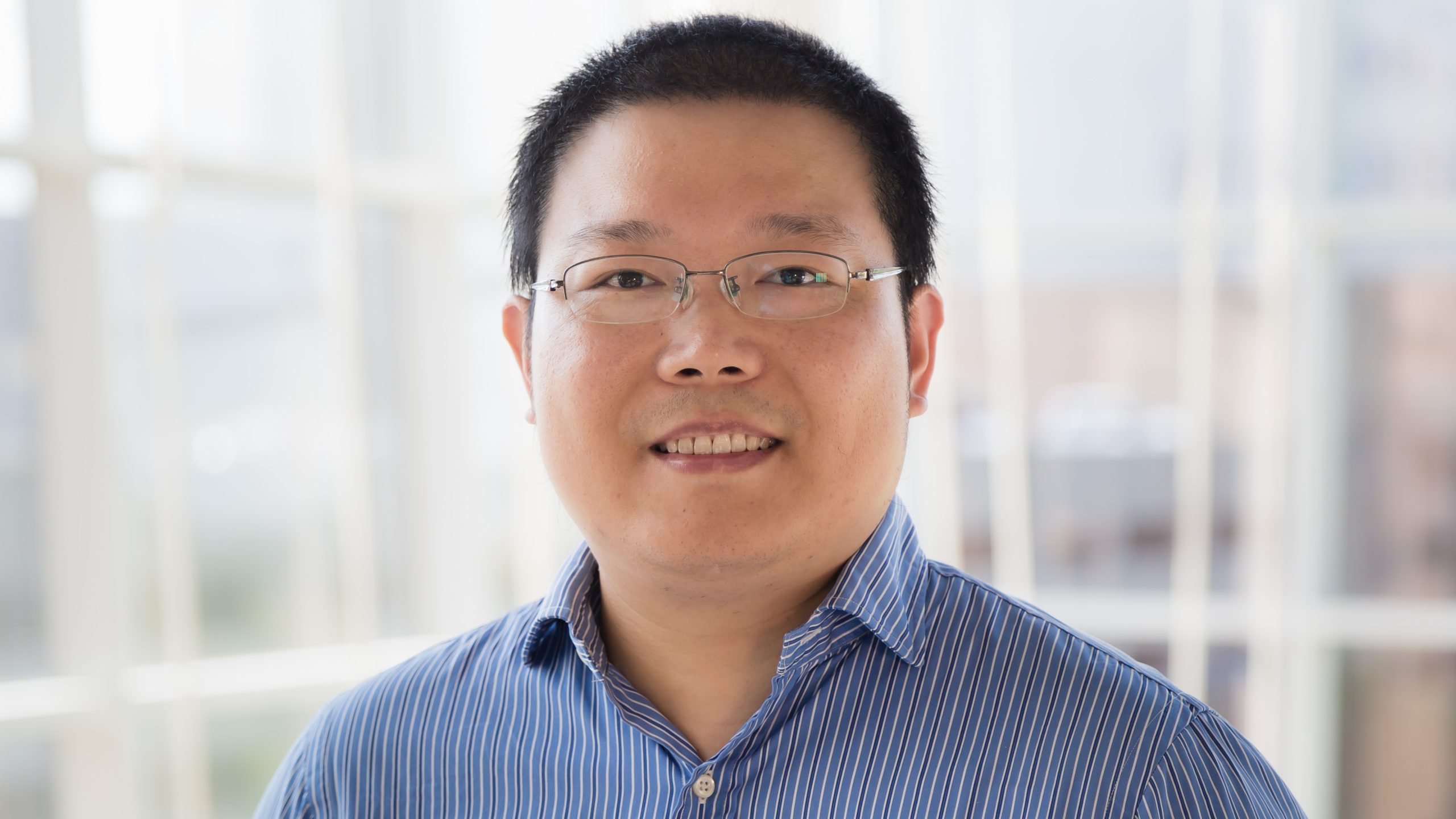
Focus on new faculty: Ying Li harnesses supercomputers and AI to design better polymers
There’s a scene in the 2010 Marvel superhero movie Iron Man 2 that had a big impact on Ying Li. In the movie, Tony Stark has blood poisoning from the palladium in the Arc Reactor embedded in his chest, and he races against the clock to find a benign replacement material to power the reactor. Read more…
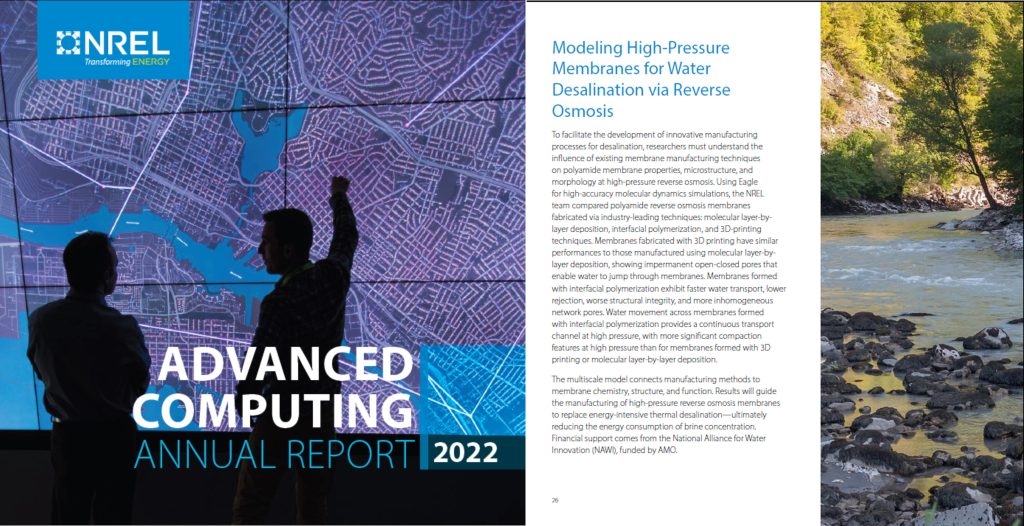
Dr. Ying Li delivered an invited webinar for the AIM for Composites Energy Frontier Research Center. AIM for Composites is a Department of Energy-sponsored Energy Frontier Research Center. The AIM webinar series introduces talks from world-renowned experts in specific research domains relevant to the AIM-EFRC mission.